

.webp)






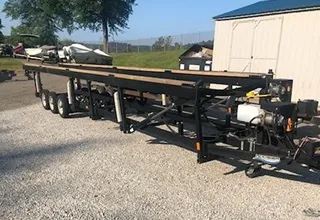
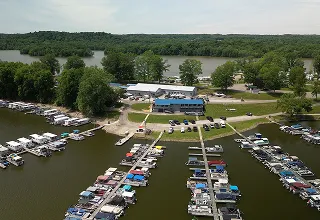


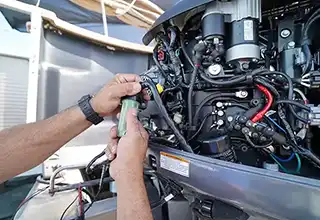
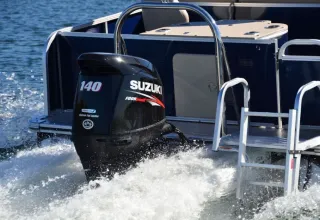






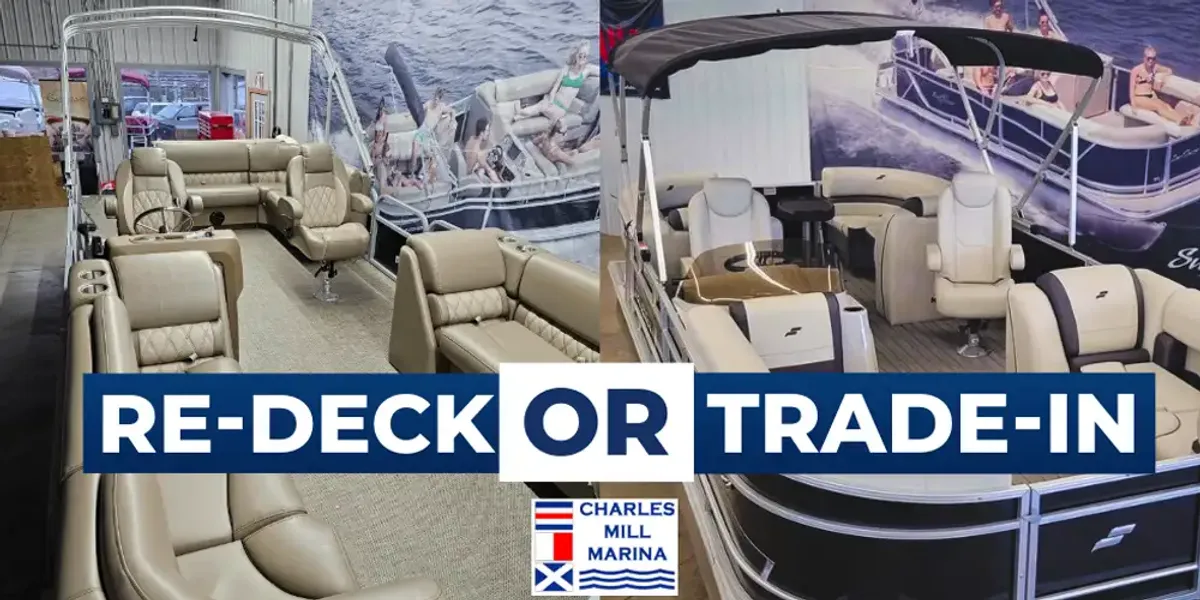
Every year, we have some version of the same conversation. Somebody walks into the shop, points out toward their pontoon, and says, "She's still got good bones. Is it worth fixing her up, or should I just start over?"
It's a fair question, and there's no universal right answer. We do pontoon re-decks and restorations here at Charles Mill Marina, and we sell new boats here too. What we're not going to do is push you toward the option that's wrong for your situation, because you'll figure that out about two seasons later and you won't be happy with us.
So here's the honest breakdown.
First, What a Re-Deck Actually Involves
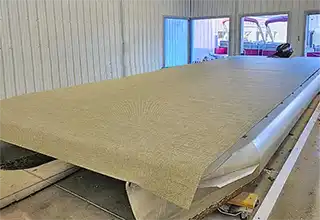
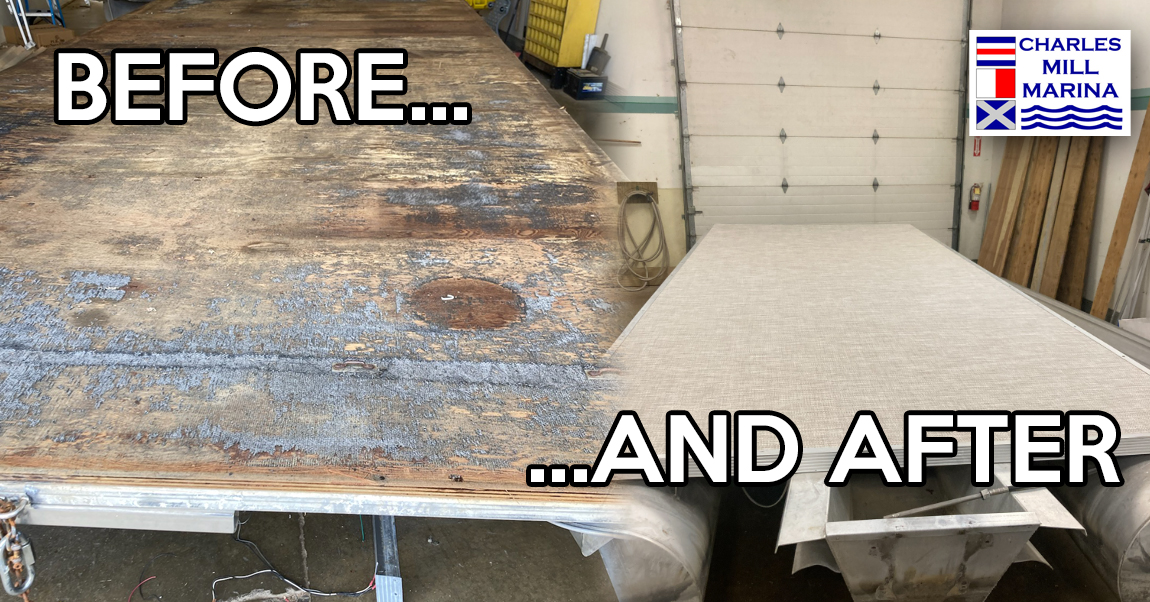
A re-deck is exactly what it sounds like. We pull the furniture, the flooring, and the fencing, then replace the plywood decking underneath and put everything back together. On most older pontoons, the deck is the thing that gives out first. Water works its way under the flooring, sits against the plywood, and rots it from the top down. You'll usually feel it before you see it, that soft spot near the gate or under the helm seat.
Where the cost varies is scope. A straight deck and flooring replacement is one number. Deck, flooring, new furniture, new fencing, a new bimini, and a refreshed helm is a very different number. A lot of people come in for the first one and leave with the second, because once the boat is stripped down, replacing the 20-year-old seats seems like the obvious move.
That's worth knowing up front. Refurb projects tend to grow.
The Cost Comparison
The math is usually straightforward, but only if you're comparing the right things.
A re-deck is a fraction of the price of a new boat. No argument there. If your tubes are solid, your motor runs well, and the boat fits your family, refurbishing is almost always the cheaper path in raw dollars.
But you're spending money on a boat you already own. A re-deck doesn't come with a warranty on the rest of the boat. It doesn't make a 25-year-old outboard any younger. And it doesn't upgrade anything you were already unhappy with.
That last point matters more than people expect. If the reason you're on the fence is that the boat is tired, the deck is only part of what's tired.
Here's a question we ask every customer considering a refurb: what shape is your motor in? If it's a modern four-stroke with reasonable hours and a service history, a re-deck can buy you another decade of good seasons. If you're running a two-stroke from the Clinton administration, you're about to invest real money into a boat with an expensive repower waiting for you down the road. Add those two numbers together before you decide, because eventually you'll be paying both.
Same goes for the tubes. Pontoon logs that are pitted, dented, or leaking will undercut everything else you spend.

Financing: This Is the Big Practical Difference
This is where the decision gets made for a lot of people, and it surprises them.
You can finance a boat purchase. You generally cannot finance a re-deck.
Marine lenders write loans against the boat itself. The boat is the collateral, which is why marine financing tends to offer long terms and competitive rates compared to other consumer borrowing. That structure works for a purchase. It doesn't work for a repair, because there's no new asset for the lender to secure.
So a re-deck is typically paid out of pocket, or through a personal loan, a home equity line, or a credit card. Those options exist, but they're usually shorter term and carry a higher rate than a marine loan would.
The practical result is that a $9,000 refurb can hit your bank account harder in the short term than a much more expensive new boat spread across a long marine loan. That doesn't make the new boat cheaper. It makes it easier to absorb month to month, which is a different thing entirely, and it's worth being clear-eyed about the distinction.
The Tax Side of a Trade-In
Ohio gives you a real advantage on trade-ins, and it's not small.
A trade-in allowance reduces the taxable price when you're purchasing a new or used watercraft, outboard motor, or personal watercraft from an Ohio licensed watercraft dealer. In plain terms, you only pay sales tax on the difference between the new boat's price and what your trade is worth.
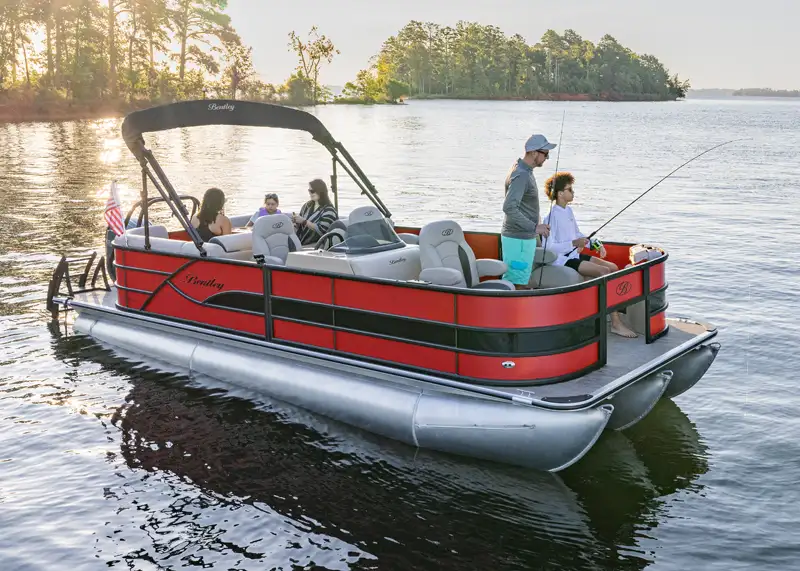
Run the numbers on a $45,000 boat with a $15,000 trade. You're taxed on $30,000, not $45,000. At a combined rate of around 7 percent, that's roughly $1,050 you don't pay. The rate that applies is the combined county rate where the watercraft is primarily docked or stored, so your exact number depends on where the boat lives.
Two things to keep in mind. First, this credit requires a licensed dealer. Selling your old boat yourself and buying from a private party gets you nothing here, because the trade-in value can't be used to reduce the tax base unless the seller is a licensed watercraft dealer. Second, a re-deck isn't tax-free either. You'll pay tax on the parts and the labor, just on a much smaller total.
Resale Value
A fresh deck helps a boat sell. It does not reset the boat's age.
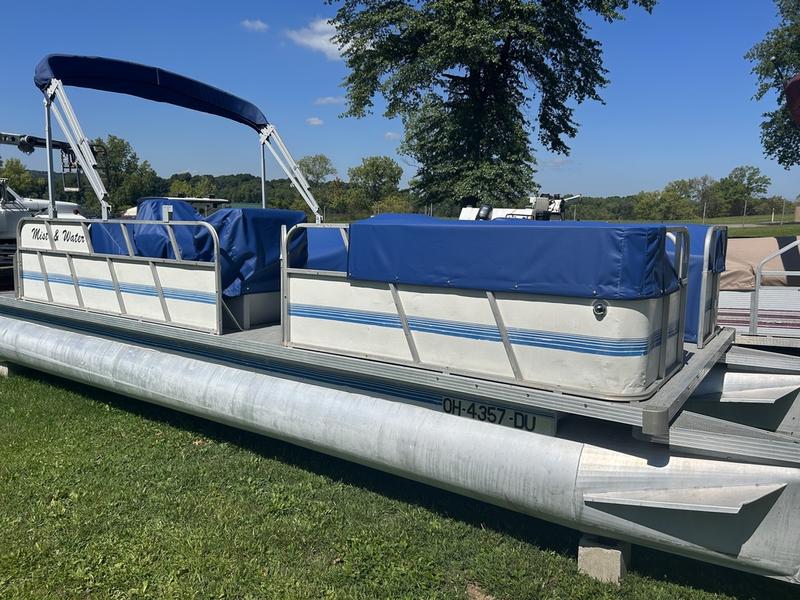
When someone shops used pontoons, they're looking at the model year, the motor, the hours, the tube condition, and the brand before they get around to admiring your new flooring. A re-decked 2003 pontoon is a nicer 2003 pontoon. It's still a 2003.
That means refurb dollars rarely come back to you dollar for dollar at resale. What they do buy is use. If you plan to keep the boat and run it for another ten summers, resale value barely matters. You're buying seasons, not equity.
New boats work the opposite way. They take their steepest depreciation in the first few years, which is a genuine cost, but they hold a documented value that lenders, insurers, and future buyers all recognize. They also come with a factory warranty, and on most pontoon lines the structural coverage is long enough to matter.
So Which One Is You?
A re-deck usually makes sense when:
- The motor is healthy and reasonably modern
- The tubes are in good condition
- The boat's size and layout still fit your family
- You want to keep your cash outlay low and you can pay for the work without financing it
- You have some attachment to the boat, which is a completely legitimate reason and we're not going to talk you out of it
A trade-in usually makes sense when:
- The motor is aging or a repower is on the horizon
- You've outgrown the boat, or your family has changed shape since you bought it
- The refurb quote is climbing toward a meaningful percentage of a newer boat
- Spreading payments over a long term fits your budget better than a large one-time expense
- You want warranty coverage and current features

Come Talk to Us
The fastest way through this decision is to let us look at the boat. We'll tell you what the deck actually needs, what condition the tubes and motor are in, and what your boat is worth on trade. Then you'll have two real numbers instead of two guesses, and the answer usually becomes obvious.
Either way, we'd like to see you out on the water!